

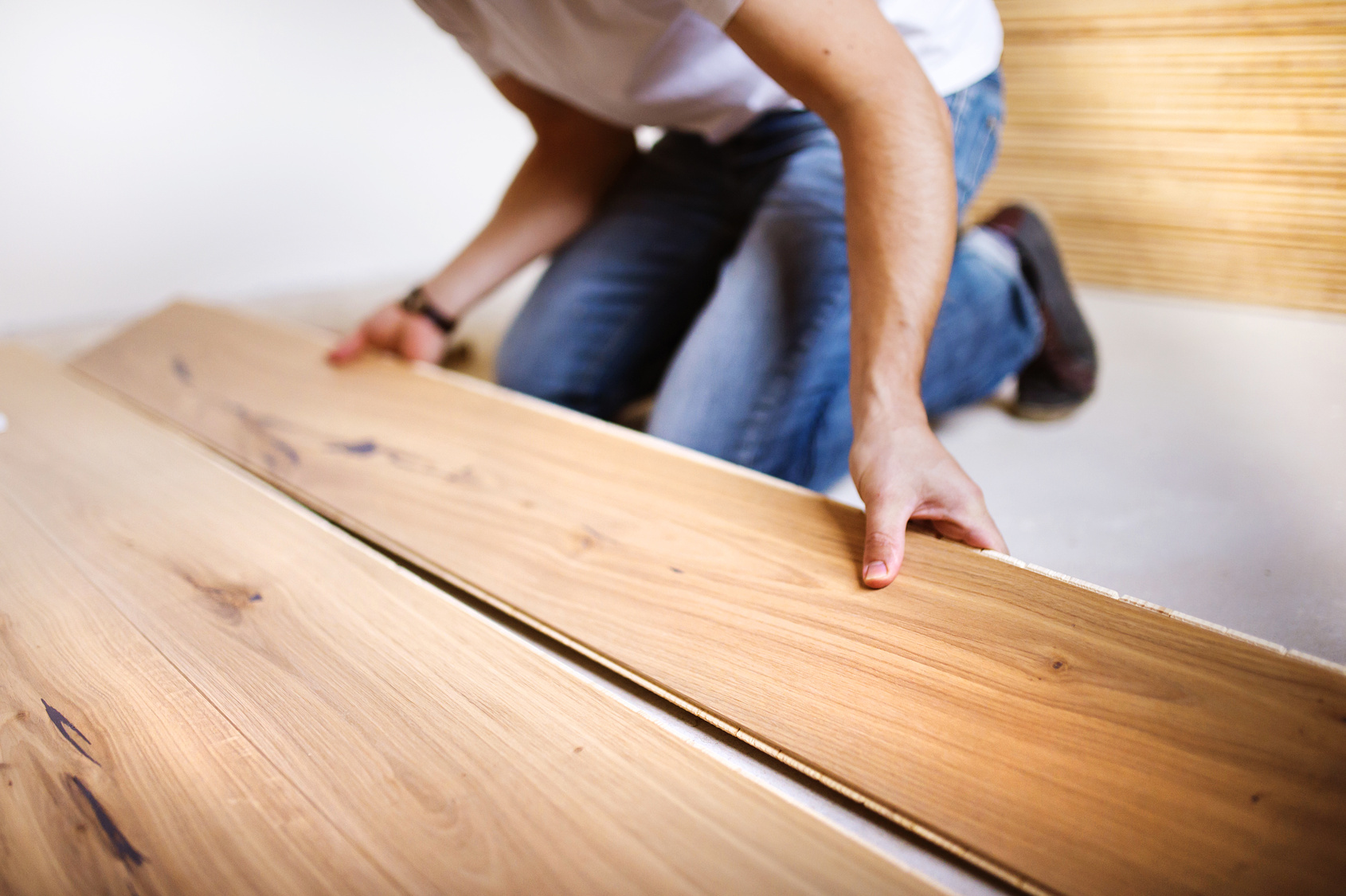
One of the most common questions we hear at our Kailua-Kona showroom is, "Can I just put the new vinyl right over my old tile?" The short answer is: often yes — and that is one of the biggest reasons luxury vinyl plank (LVP) has become the most popular flooring on the Big Island. Installing over an existing floor can save you the cost, mess, and dust of a full tear-out. But "often yes" is not "always yes," and the difference comes down to a few conditions you need to check first.
This guide explains when you can install luxury vinyl plank over tile, concrete, and other existing floors, what preparation is required, and the island-specific moisture issues that make professional assessment so important here. If you would rather skip straight to a straight answer for your home, request a free estimate and we will inspect your subfloor in person.
The Short Answer: It Depends on the Subfloor
Luxury vinyl plank is one of the most forgiving floors to install over existing surfaces because most modern LVP either floats (clicks together over the old floor) or glues down to it. The three things that determine whether you can floor over what you have are:
- Flatness — is the existing surface flat and level enough?
- Soundness — is it stable, well-bonded, and free of damage?
- Moisture — especially with concrete slabs, is moisture under control?
Get those three right and vinyl plank can go over almost anything. Get them wrong and even the best floor will telegraph problems within months. Let's look at each common scenario.
Installing Vinyl Plank Over Ceramic or Porcelain Tile
Usually yes — this is one of the most common LVP-over-existing jobs we do in Kona. Because tile is hard and stable, it makes a great base for floating rigid-core vinyl. The key issue is the grout lines: deep or wide grout joints can "telegraph" through a thin, flexible vinyl over time. The fixes are straightforward:
- Use a rigid-core (SPC) plank, which bridges minor grout lines better than flexible vinyl. (See our guide on rigid core vs flexible vinyl.)
- Skim-coat or use an embossing leveler over deep or wide grout lines so the surface is flat.
- Check that tiles are firmly bonded — any loose or hollow tiles must be re-set or removed first.
One bonus on the Big Island: leaving the tile in place avoids disturbing older mortar beds and keeps demolition dust out of your home.
Installing Vinyl Plank Over a Concrete Slab
Many Big Island homes are built on concrete slabs, and vinyl plank installs beautifully over concrete — as long as the slab is dry, flat, and clean. Concrete is the scenario where professional moisture testing matters most. Slabs, especially ground-level ones near the coast, can wick moisture upward ("hydrostatic pressure"), and trapped moisture under vinyl can cause adhesive failure, cupping of the edges, or mold.
Proper prep for a slab includes:
- Moisture testing with a calcium-chloride or in-situ probe test before anything is installed.
- Grinding or filling to flatten high spots and fill low spots so the slab is within tolerance.
- A moisture barrier or underlayment when test results call for it.
- Cleaning off any old adhesive, paint, or curing compound that could prevent a good bond.
This is exactly the kind of subfloor work our NWFA/CFI-certified installers are trained for — and why we always recommend a proper assessment rather than a guess. Read more in our piece on subfloor prep for vinyl in coastal homes.
Installing Over Other Existing Floors
Over existing vinyl or linoleum
Usually fine if the existing vinyl is a single layer, well-bonded, and flat. Multiple layers or cushioned/soft vinyl are not a stable base and should come up first.
Over hardwood or laminate
Floating LVP can often go over solid, flat hardwood or laminate. Squeaky, cupped, or damaged wood should be addressed first — or consider our hardwood refinishing service if the wood is worth saving.
Over carpet
No. Carpet must be removed — vinyl needs a hard, stable base. The good news is removal is quick, and we handle it as part of the project.
When You Should NOT Floor Over the Existing Surface
- The existing floor is uneven beyond what leveling can fix
- There are active moisture or drainage problems
- Tiles or boards are loose, hollow, or damaged
- Going over the old floor would raise the height too much for doors and appliances
- There is any sign of mold or water damage underneath
In these cases a tear-out is the right call — and skipping it would just trap a problem under a beautiful new floor.
What About Height, Doors, and Transitions?
Adding a floor on top of an existing one raises the finished height, usually by a small amount with rigid-core vinyl. We account for this by trimming door bottoms, adjusting thresholds, and installing clean transition strips between rooms and flooring types so everything sits flush and safe.
Cost: Does Flooring Over Save Money?
Often, yes. Avoiding demolition and disposal can reduce labor and dump fees, and it shortens the project. But if extensive leveling or moisture mitigation is needed, those costs can offset the savings — which is why an in-person assessment gives you the real number. For a full breakdown, see how much vinyl flooring costs in Kailua-Kona.
Frequently Asked Questions
Can you install vinyl plank flooring over ceramic tile without removing it?
Yes, in most cases. Rigid-core LVP installs well over sound, flat ceramic or porcelain tile; deep grout lines may need a skim coat first so they don't show through.
Do I need a moisture barrier for vinyl over concrete?
It depends on your slab's moisture readings. We test first; if the slab shows elevated moisture, we install the appropriate barrier or choose a product rated for the conditions.
Can I install vinyl plank over concrete myself?
The plank itself is DIY-friendly, but the slab prep and moisture testing are where most DIY jobs fail in Hawaii's climate. A professional assessment is inexpensive insurance — contact us to set one up.
Not sure what's under your floor?
Our certified team will inspect your existing tile or slab, test for moisture, and tell you honestly whether you can floor over it — or what prep it needs.
Request a Free Estimate — or call (808) 747-7743.


